

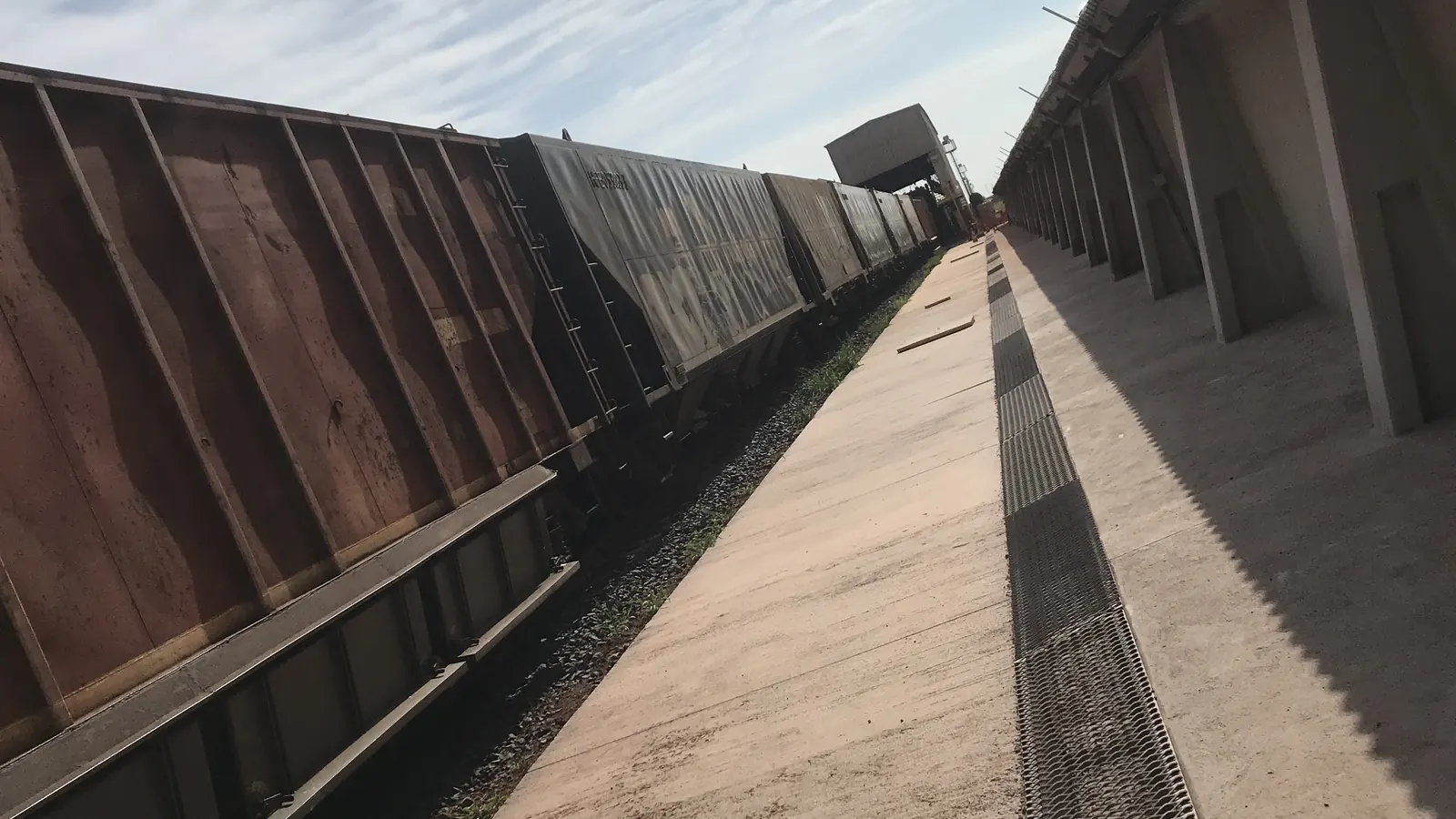
Logistics due diligence for those investing in a mine, steel mill, terminal or agribusiness
For those who will invest in, lend to or buy an asset that depends on moving bulk or industrial cargo to the port or to the customer. I review the route, the real capacity, the terminal, the railway, the transport contract and the cost to the vessel, drawing on 16 years operating this chain from the inside at Vale and VLI.
Logistics enters the due diligence as an assumption
When a project is assessed, the technical side of the asset goes to its specialist (in a mine, the geologist), the title and the licence go to the lawyer, and the balance sheet goes to the accountant. Logistics usually arrives as an assumption of the feasibility study: a freight rate, a terminal capacity, an implementation deadline.
From the point of view of those who have operated, these assumptions are among the first to change once the cargo starts moving. And they decide how much is left for whoever is doing the deal after paying for the route to the destination, the number that says whether the investment can withstand a fall in price.
Logistics due diligence checks these assumptions before signing.
What the review looks at
Leg by leg, and who operates each one
Where the cargo leaves from, who is responsible for it at each handover from one owner to another, and whether whoever will operate on day one has already operated bulk.
The capacity left for this project
The capacity cited in the study compared with what remains available after serving those who already have contracts. In bulk, the limit is usually in receiving, in the yard or in the train slot.
The route at production scale
Train slot, tariff and contracted capacity. On the road, whether what serves the research stage can handle continuous flow, rain, bridges and crossings through urban areas.
Where the assumption is put to the test
Receiving, storage, loading, vessel window and the risk of demurrage, with this project's cargo alongside the cargo the terminal already handles.
Contract or letter of intent
Whether there is a minimum volume, a term and a rule for when the origin is late or the terminal does not receive. The reading is operational; the legal reading stays with the lawyer.
All the components, and how much is left for the business
Freight, transhipment, storage, port charges and demurrage, down to the margin: what is left for whoever is doing the deal after paying for each leg, under freight and price scenarios.
Stages of the work
- Initial conversationMineral, origin, planned port and stage of financing. Free of charge.
- Scope in writingWhat is included, what is not, timeline and fee, before starting. Non-disclosure agreement (NDA) when you ask for one.
- Reading the documentsThe logistics part of the feasibility study, contracts and letters of intent for transport and terminal, freight quotations and schedule.
- Cross-checking with those who operateConversations with railway, terminal and port operators and, when the paperwork does not add up, a visit to the route.
- DeliveryReport and presentation to the team of whoever invests or finances.
Timeline: two to four weeks in most projects, depending on the number of documents and whether a visit to the route is needed.
Deliverables
One-page summary
What the project's logistics already answers, what needs review and what to ask the project sponsor before going further.
Logistics due diligence report
The route leg by leg with who operates each leg, the estimated capacity against the study's assumption, the operational reading of the transport and terminal contracts, the cost to the vessel and the margin of the business under scenarios, and the risks item by item. What it was not possible to check is written down.
List of questions for the project sponsor
The logistics questions that remain open, ready for the next meeting with whoever is raising capital.
Presentation to the team
A session with whoever invests or finances, open to the project's technical and legal team.
In Portuguese, English or Chinese.
The limit of the work
It is not legal, environmental, accounting or mineral resource due diligence, and it is not an engineering opinion. It is the operational and logistics review, carried out by someone who has operated railway, terminal and port.
The capacities in the report are operational estimates, without engineering design or calculation. The work is input for the engineer and the lawyer of whoever finances, and does not replace either of them.
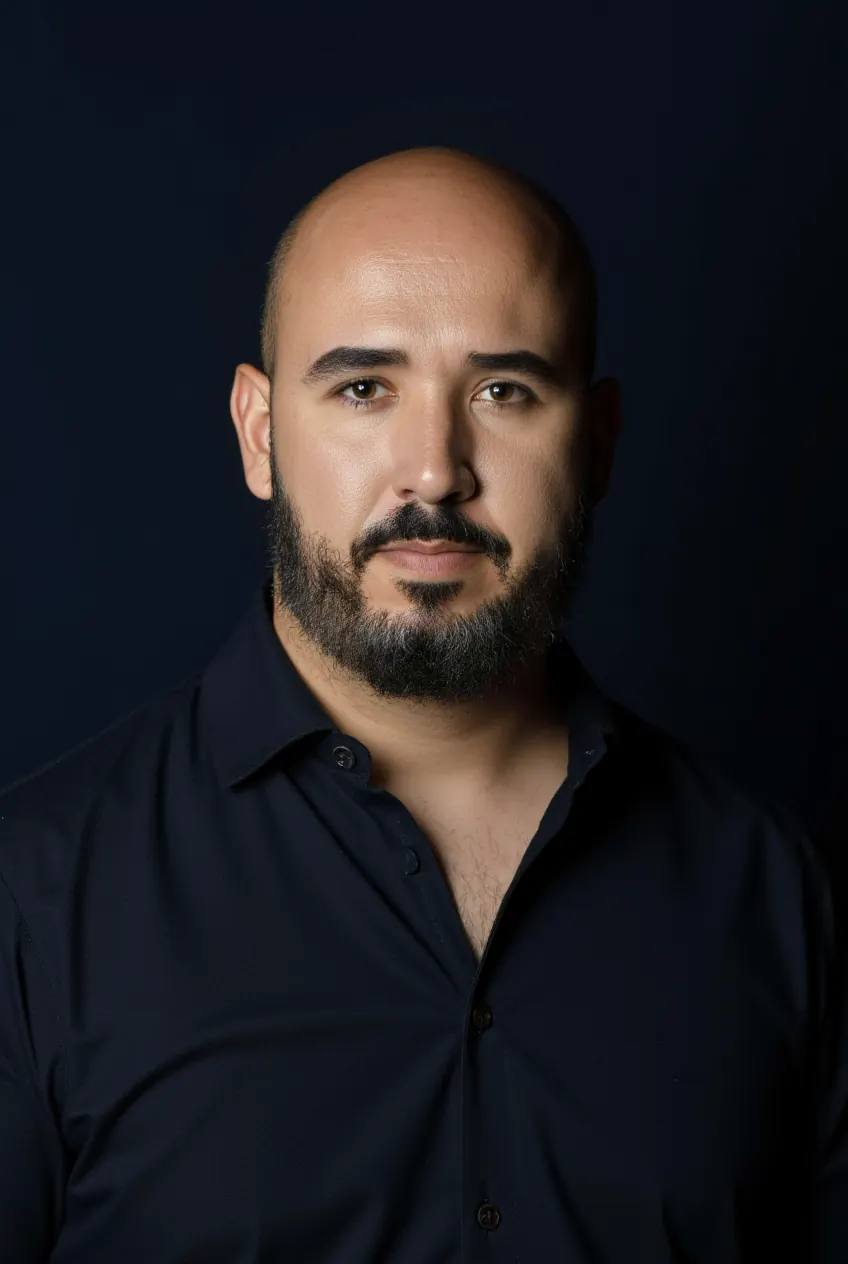
Nitai Morais
I spent 16 years at Vale and VLI planning and operating the logistics of bulk and industrial cargo: railway, terminals, yard and loading. I planned terminal operations with revenue of R$ 500 million a year and acted as interim manager at three terminals.
Each review is carried out by me, from the first document to the presentation.
Frequently asked questions
Does this replace the financier's engineer?
No. It is input for the engineer. The financier's engineer answers for the project and the calculations; I bring them the reading of someone who has operated the route, the terminal and the port, with the assumptions that need checking.
What is the difference from Verification?
Verification checks the mine, the parcel and the counterparty against official sources before a purchase, and delivers the verification report. Logistics due diligence reviews the logistics of a project or asset before an investment, a loan or an acquisition.
Which documents do I need to send?
The logistics part of the feasibility study or the business plan, the contracts and letters of intent for transport and terminal, the freight quotations and the schedule. If they do not exist yet, the review shows what is missing for them to exist.
Can the mining company that is going to raise capital hire this?
Yes. Arriving at the financier with the logistics already reviewed shortens their due diligence. The report states who commissioned the work.
Do you serve those investing from outside Brazil?
Yes. The report is issued in Portuguese, English or Chinese, and the conversation can be in writing in English.
Send the project for a first read
Mineral, origin, planned port and stage of financing. A half-hour conversation usually shows whether the route is mature or needs review. The first conversation is free of charge.
comercial@nitailab.com.br · LinkedIn: Nitai Morais