

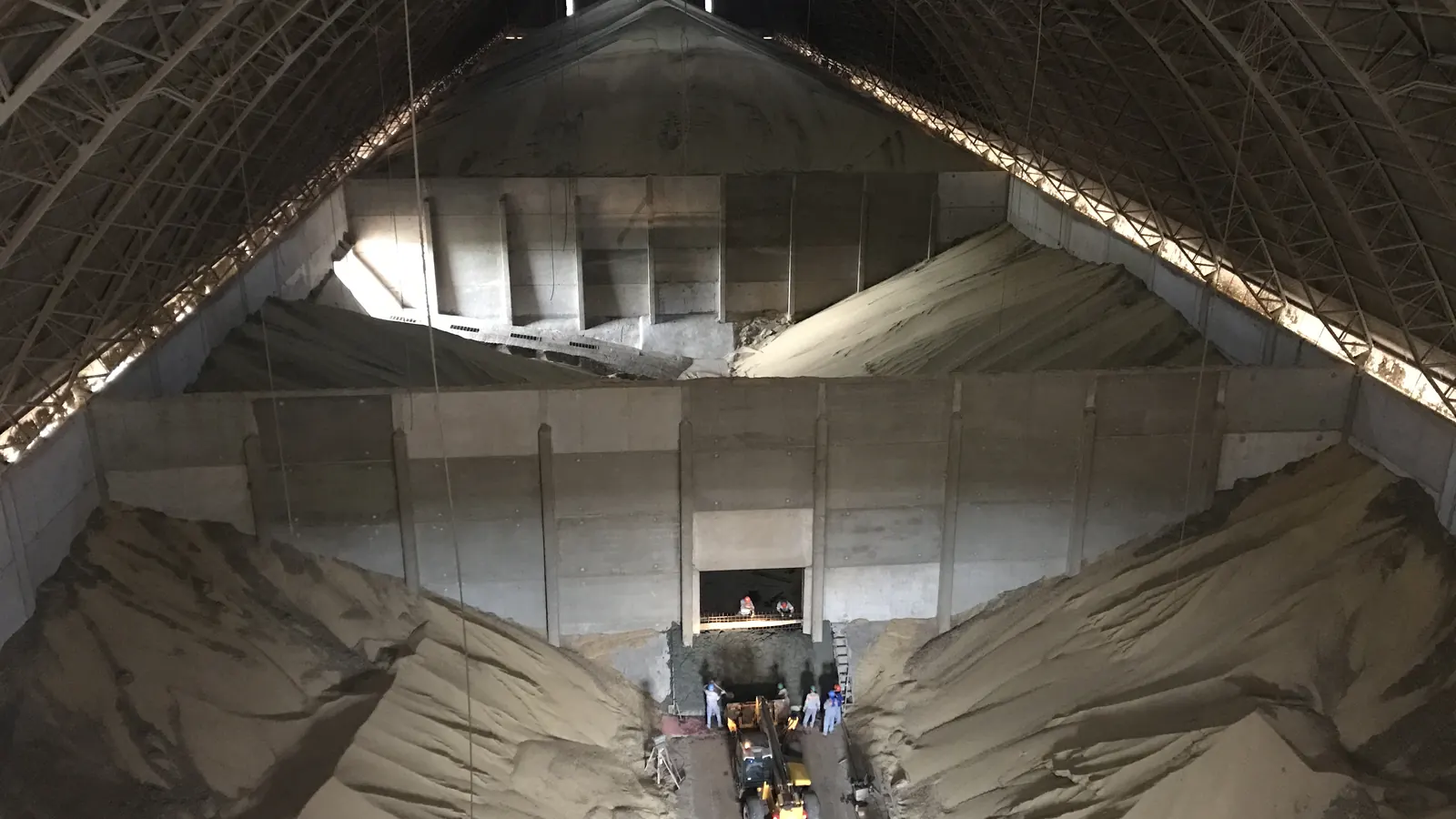
Where your operation loses money.
At a terminal, warehouse, mine or factory, the big gain rarely comes from new technology. It comes from what nobody has the patience to look at. The method is the Toyota Production System I implemented with TSSC, Toyota's own consulting arm, adapted to the reality of the Brazilian shop floor.
Partner in a terminal or a jointly owned operation? The diagnostic also works as an independent reading of each operation, in addition to the local management's report.
A five-day diagnostic, with losses quantified in money
- Where money is lostThree to five critical points identified on the floor, with operators, supervisors and indicators.
- Each loss in moneyEach point is valued per month or per year.
- 90-day planActions ranked by cost-benefit, with owners.
- Readout to the teamAn on-site presentation to the people who will execute.
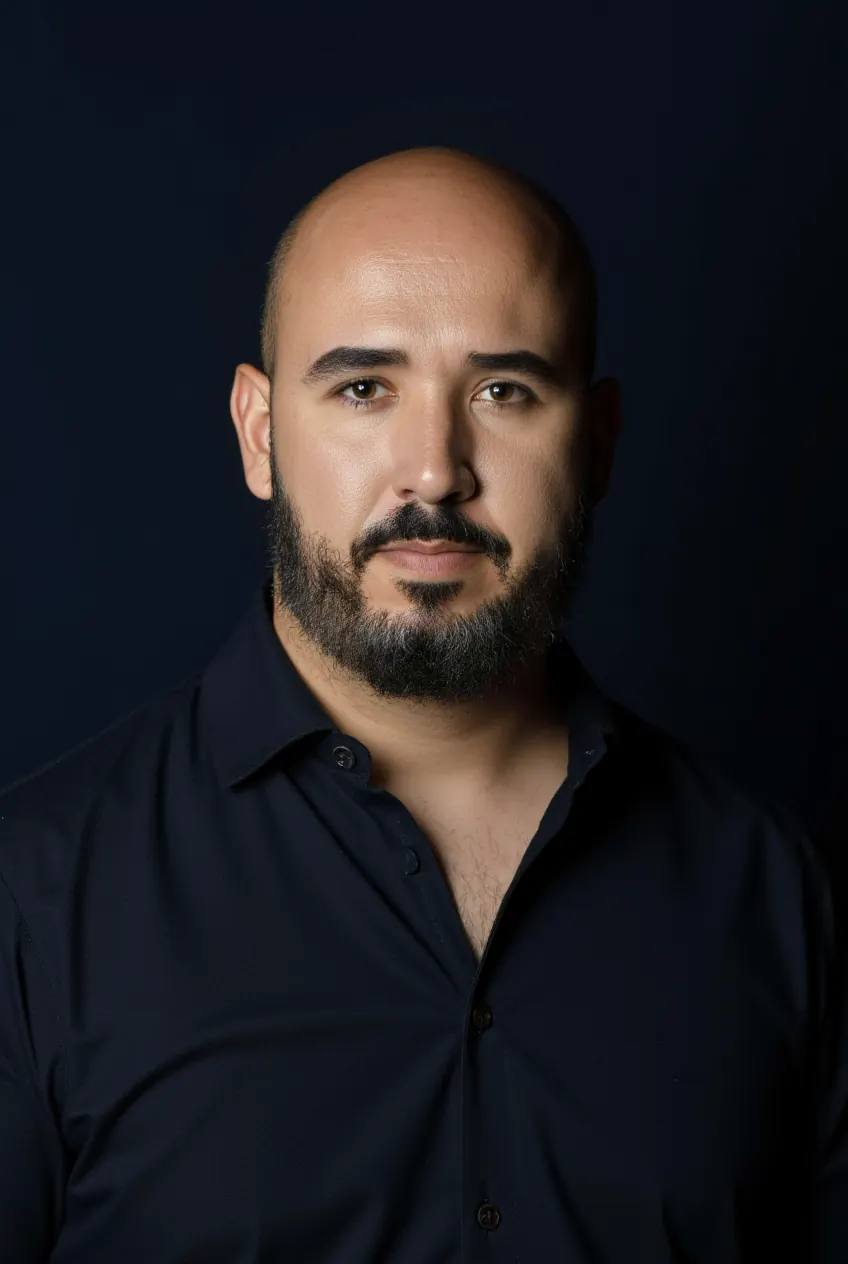
Nitai Morais
16 years at Vale and VLI, managing terminals integrated with rail and port. I carry out every diagnostic myself, on the ground, from the first day to the fifth.
Main sources of loss
Capacity and bottlenecks
The step that limits everything, almost always a matter of how roles are split rather than missing equipment.
Cost per tonne
What each tonne handled costs and what makes up that number.
Contracts and third-party services
Operating services still paid for on a scope the operation no longer uses.
Planned shutdowns
Planning and control so that a stoppage does not cost scheduled production.
Results achieved
At VLI, as head of operations planning and control and interim terminal manager.
Toyota Production System with Toyota itself
I led the TPS implementation with direct consulting from TSSC, the Toyota centre that brings the method to companies outside Japan. The terminal became VLI's TPS school.
In Brazil, TPS often arrives only halfway: tools and audits. The missing half is treating operators as people who think. That is the half I bring.
Ask the operators on one shift what their biggest difficulty in the operation is. Then ask them to propose solutions.
If you are not surprised, either there is a problem with morale and culture, or the operation is already very well run.
Frequently asked questions
What kind of operation does the diagnostic work in?
Terminal, warehouse, yard, mine, plant or factory. The method is to look at the floor, measure times and movements at each step and turn every loss into money.
Does it work for partners in a terminal or a jointly owned operation?
Yes. The diagnostic also serves the partner who wants an independent reading of the operation, in addition to the local management's report. Format and frequency are agreed case by case.
How long does it take?
Five working days in the standard format: context, field work, draft, validation with the team and presentation.
How much does it cost?
Fixed price, agreed before we start, according to the size of the operation and the distance. The first conversation about your case is free of charge.
Do I need to stop the operation?
No. The work happens with the operation running, alongside operators, supervisors and indicators.
Do you implement Lean and TPS?
Yes. I implemented the Toyota Production System with TSSC and set up VLI's TPS school. The diagnostic is the entry point: it shows where the method pays off most in your operation. Implementation comes afterwards, as a follow-up engagement with its own scope.
What happens to what you see in my operation?
It stays with you. One client's information does not go to another, and never becomes a public case without written authorization.
What happens next?
You decide: carry out the plan on your own, hire support for the implementation, or commission a fixed-scope project. Each is scoped separately.
Request a diagnostic
Tell me the type of operation and the main problem. I will reply with where to start.