

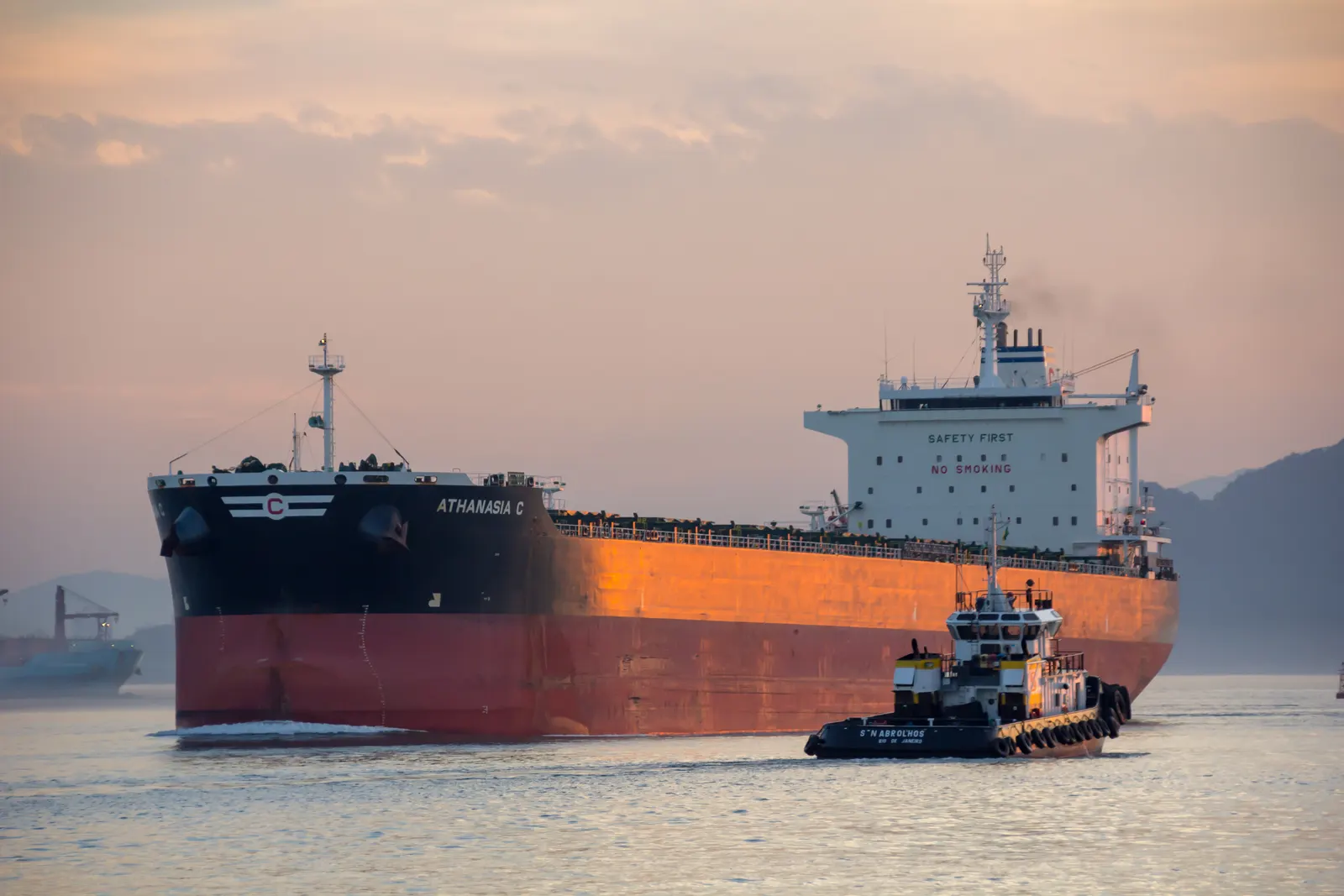
Route, cost and risk of the cargo, from origin to port.
In bulk commodities, logistics decides the deal. Before you sign a purchase, sale or freight contract, I show you the numbers leg by leg, the alternatives and where the risk sits.
From origin to destination
The corridors I know from the inside
From truck to ship, from the port to wherever the cargo goes in the world, and where it gets stuck. Choose a cargo.
Grains · Export
- Truck. Soybeans and corn arrive by truck: from Mato Grosso, Goiás and the Triângulo to Araguari; from western Bahia and northwest Minas to Pirapora.
- Terminal. At the inland rail terminal, the grain moves from truck to train.
- Train. It runs down the Centro-Atlantic and Vitória-Minas railways to Tubarão port, in Espírito Santo.
- Port. At Tubarão, the grain comes off the train and is loaded onto the ship.
- Ship. Soybeans go mainly to China, and also to Southeast Asia, Japan and Korea. Soybean meal goes to Europe.
- Where it gets stuck. It gets stuck where the truck hands over to the train, and in the port line-up. If the cargo arrives early, it clogs the port; if it arrives late, the ship loses its place in the queue and pays demurrage. Just in time is beautiful on paper and hard in real life: it only works when the chain is coordinated.
My role. I planned the chain for the Araguari and Pirapora terminals: capacity, budget and the seasonality of the harvest and of fertiliser.
Fertilisers · Import
- Ship. Plenty of urea, plenty of potash (KCl), plenty of MAP and a little NPK arrive by sea, each from a different part of the world.
- Port. It is unloaded at Tubarão port, in Espírito Santo, and transferred to the train.
- Train. It travels up the Vitória-Minas and Centro-Atlantic railways to the Araguari terminal.
- Terminal. At Araguari, potash, urea, MAP and NPK come off the train. Part of it goes to the EuroChem blending plant, linked to the terminal.
- Truck. From there, the fertiliser goes by truck to the soybean and corn farms of the Triângulo and Goiás.
- Where it gets stuck. In imports, the risk is reversed: too many wagons loaded at the port become a queue at the terminal; a clogged terminal cannot clear the port, delays the next ship and the client pays storage charges. Just in time is beautiful on paper and hard in real life: it only works when the chain is coordinated.
My role. I planned the fertiliser chain from Tubarão to Araguari: capacity, budget and the seasonality of the harvest and of fertiliser.
Pig iron · Export
- Plant. Pig iron plants in Maranhão and Pará, many of them family businesses, in Açailândia, Marabá and Rosário.
- Train. The pig iron travels down the Carajás Railway to São Luís.
- Yard. Cargo bound for Itaqui was unloaded at an elevated unloading point before the Ponta da Madeira yard and kept in stock.
- Truck. From there, a short truck leg took the pig iron to the port of Itaqui.
- Port. Loading through the port of Itaqui and the VLI terminal.
- Ship. Destination: steel mills in the United States, mainly, and in Mexico.
- Where it gets stuck. It gets stuck at the handovers between truck and train, and in the port line-up. If the pig iron arrives early, it clogs the yard; if it arrives late, the ship loses its place in the queue and pays demurrage. Just in time is beautiful on paper and hard in real life: it only works when the chain is coordinated.
My role. As a commercial analyst, I was the bridge between the plants, often their owners in person, the railway and the port, to secure pig iron exports through São Luís in 2013 and 2014.
Railways and ports: ANTT and ANTAQ (INFRA S.A./ONTL). Roads: OpenStreetMap (OSRM). Soybean and corn producing areas: IBGE, 2018. Grain destinations and fertiliser origins: ComexStat, Port of Vitória, 2014 to 2021. Boundaries: IBGE and Natural Earth. Sea routes shown schematically.
Services
Feasibility and netback for a parcel or a flow
The numbers leg by leg, by route and by freight and price scenario. You come away knowing the minimum price at origin and which route is worth it.
Route and mode study
Road, rail and coastal shipping, and the port options, compared on cost, transit time, capacity and risk, with what to confirm in quotations before deciding.
Logistics risk analysis
Dependence on a single operator, contracted capacity, take-or-pay terms, seasonality, regulation and the financial health of the counterparty.
Supply chain structuring and coordination
A logistics plan with route, capacities and contracts, shipment scheduling and follow-up of the flow all the way to the vessel or the end customer.
Local support for foreign companies
For foreign traders, buyers and investors: who operates each leg, where the cargo gets stuck, who to talk to and what to check before signing.
Bulk and industrial cargo
Iron and manganese ore, soybeans, corn and soybean meal, fertilisers such as potash (KCl) and urea, pig iron and steel products.
Cargo I have handled
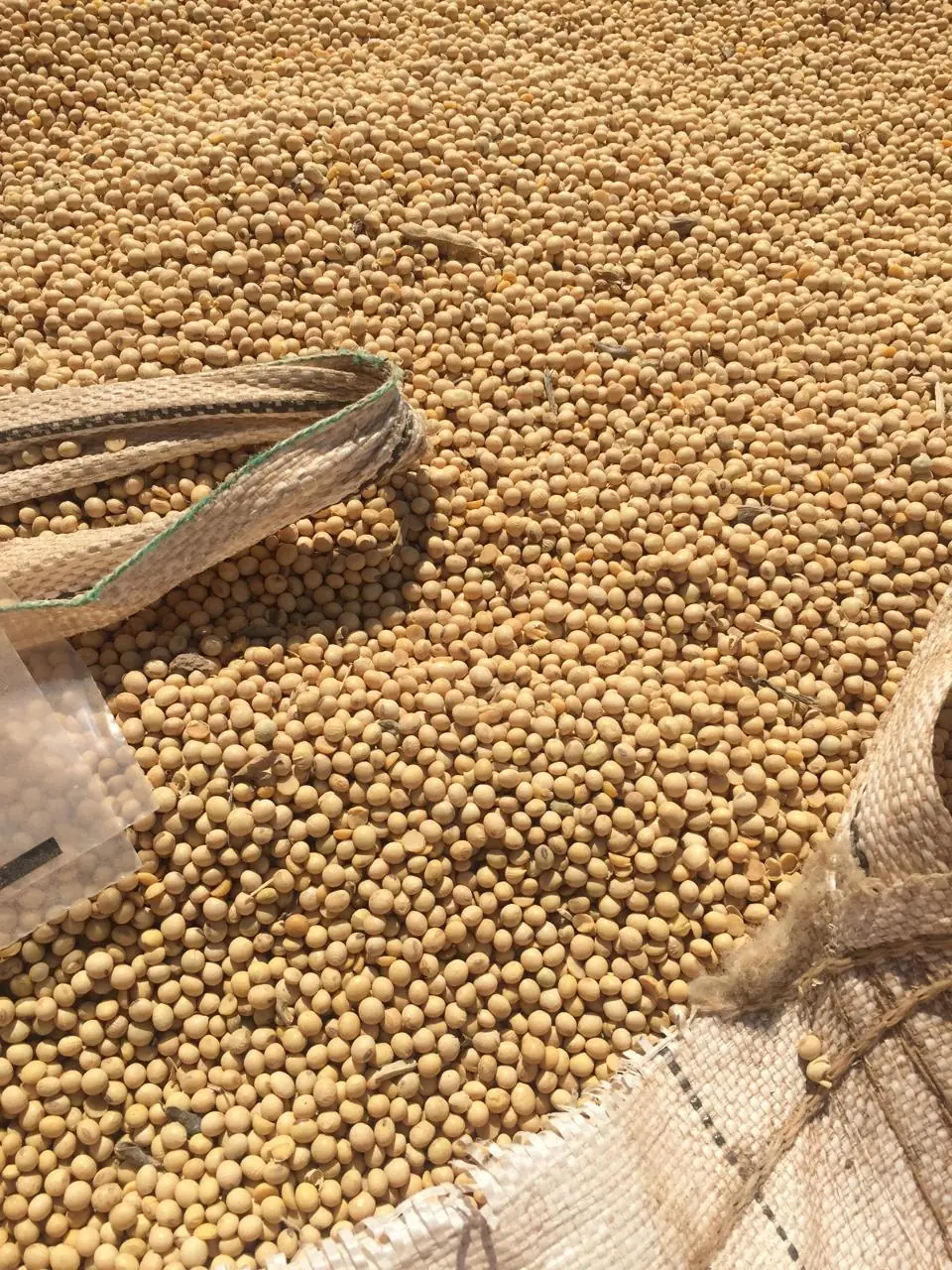
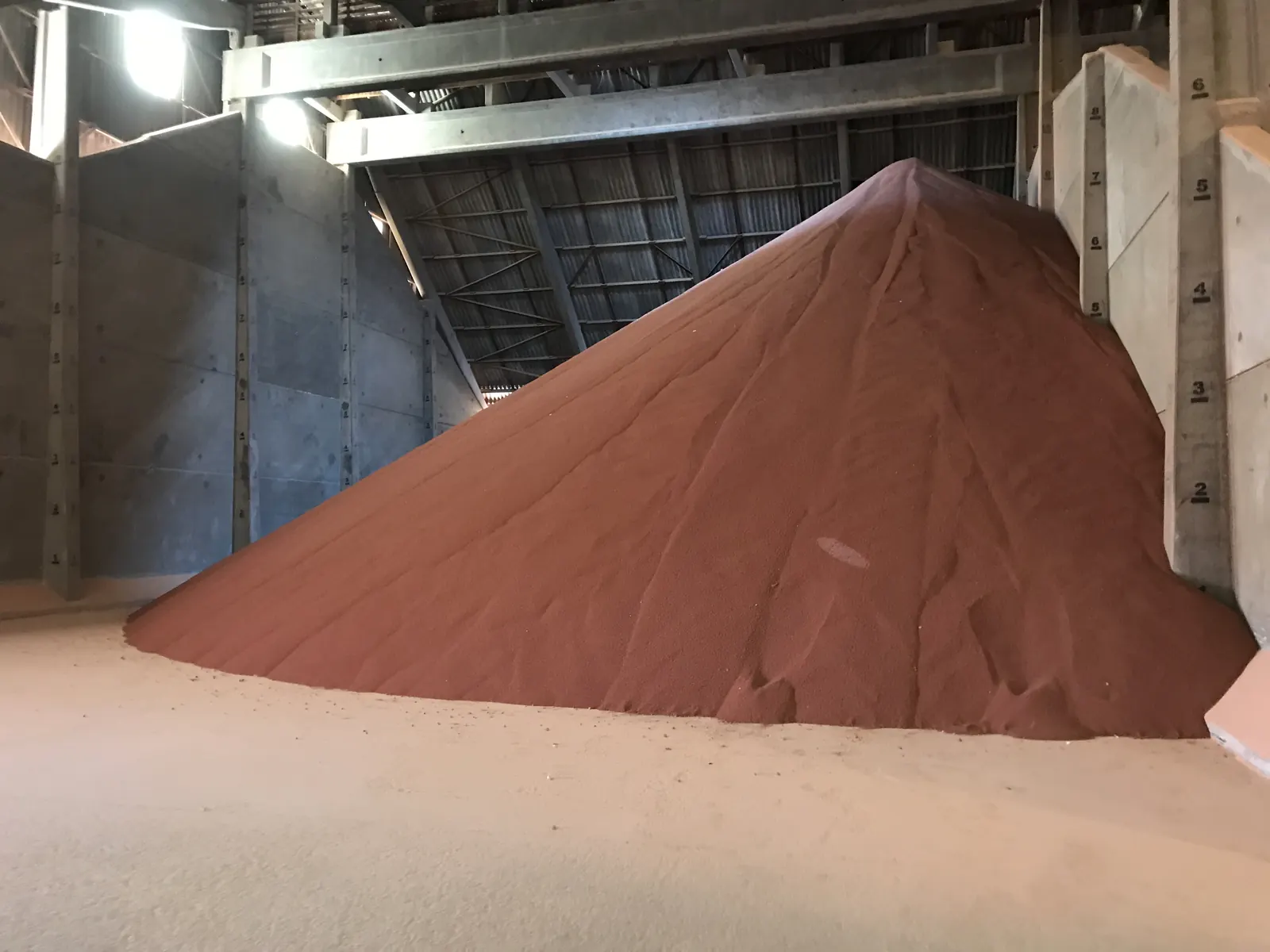
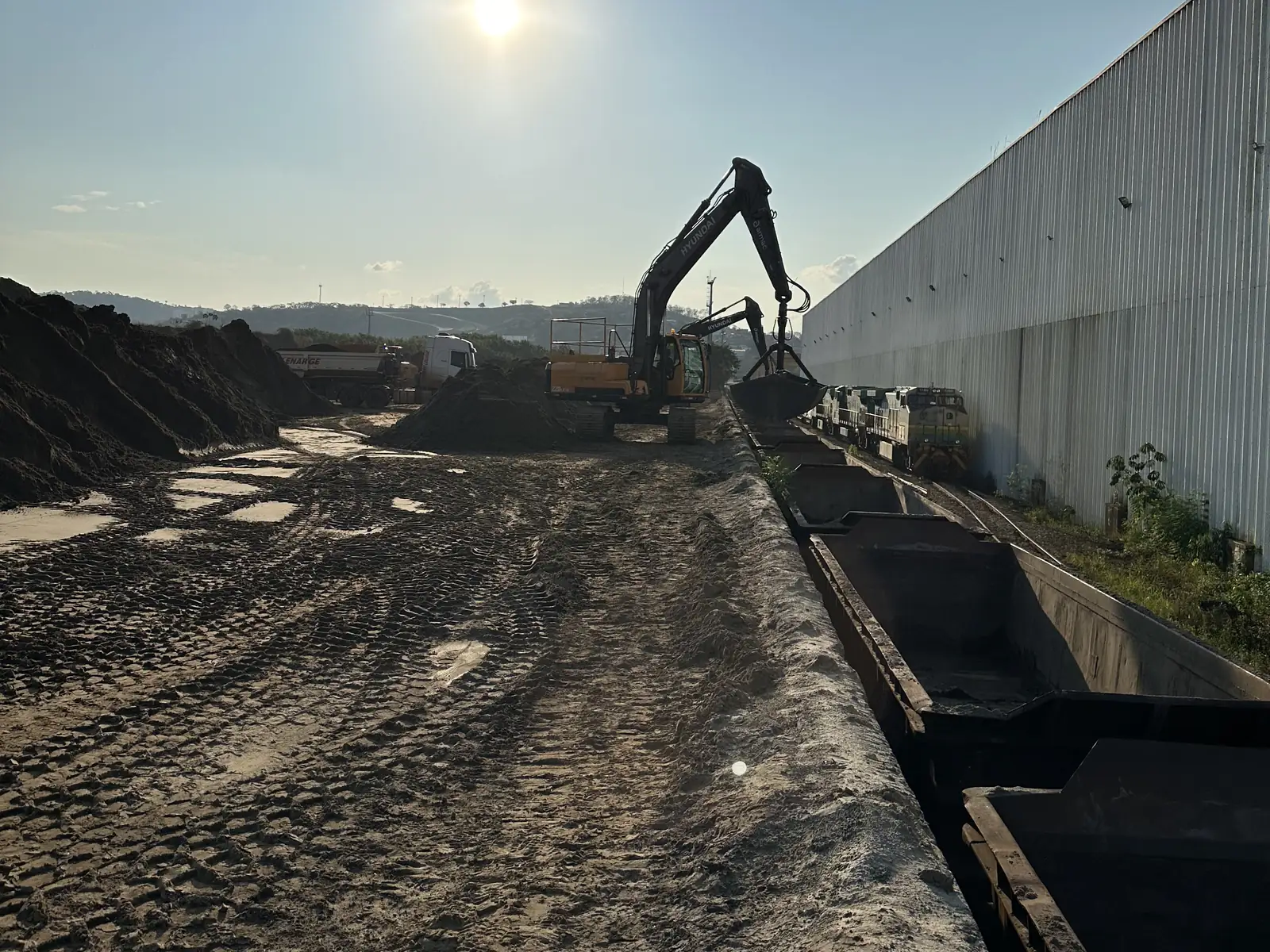
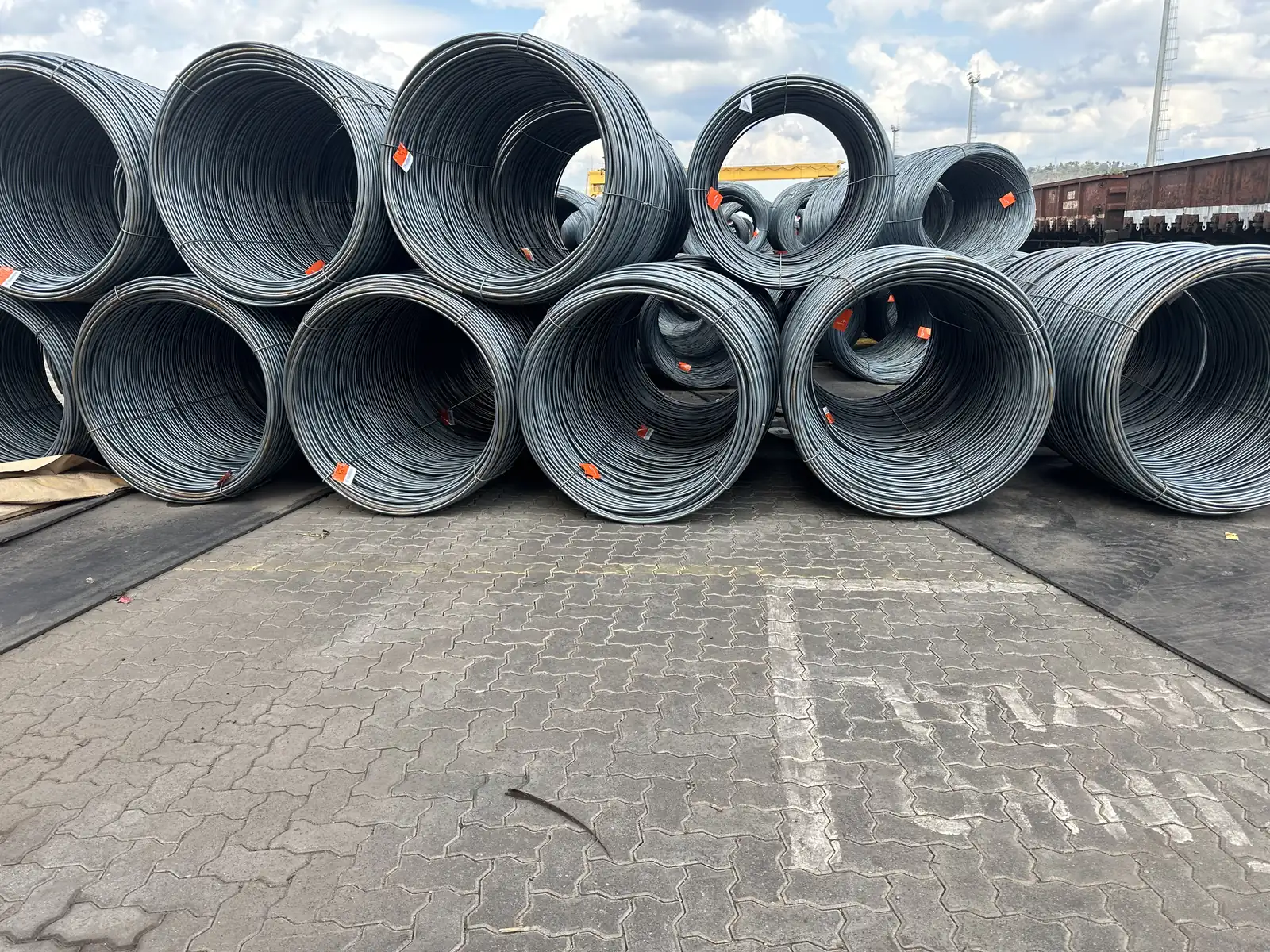
Photos from the terminals and mines where I worked. Each bulk commodity is stored, loaded and moved differently.
The price at origin is what is left after every leg
The buyer pays the reference price minus everything between the origin and the ship's hold. Anyone who does not know each leg is negotiating blind.
Stages of the work
- Initial conversationCargo, origin, destination, volume and timeline. Free of charge.
- Scope in writingWhat is included, what is not, timeline and fee, before we start.
- DeliveryA dossier or plan with the numbers, the alternatives and what to confirm.
- Follow-upOptional, if you want me to coordinate execution.
I planned from the inside the grain and fertiliser chain that runs from the port of Tubarão, via the EFVM and FCA railways, to inland terminals in Minas Gerais and the end customer, and the iron ore and steel chain serving the steel mills of Minas Gerais.
Frequently asked questions
Do you work only with iron ore?
No. I have worked with iron ore, grains, soybean meal, fertilisers, pig iron, steel products and fuels. The logic is the same: every leg has a cost, a lead time, a capacity and an owner.
What is netback?
It is what is left for the origin after paying every leg up to the buyer: road freight, rail, terminal, port, ocean freight, taxes and working capital. It is the minimum price that makes the deal work at the mine or the farm.
Do you contract freight or handle the cargo yourself?
I am not a carrier or a freight forwarder. I design the chain, compare alternatives, coordinate the operators and track the KPIs on the cargo owner's behalf.
Do you work with foreign companies?
Yes. For those buying, selling or investing in Brazil from abroad, I act as your eyes on the ground: who operates what, where the cargo gets stuck and who to talk to.
Send the cargo details for a first assessment
Product, origin, destination and volume. I will reply with an initial view and what needs to be confirmed.